Hot Cup Tea Outline Style
A Designer’s First Glance: Clean, Calm, and Quietly Confident
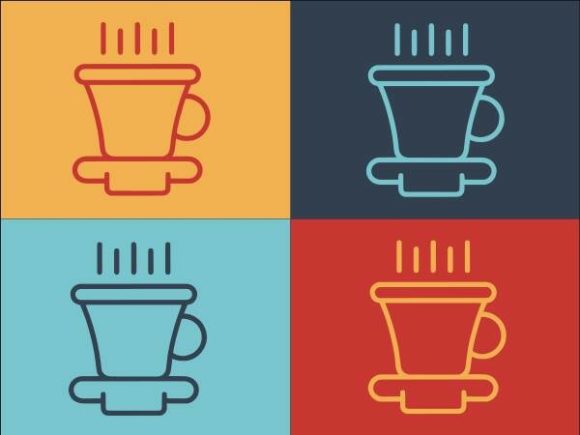
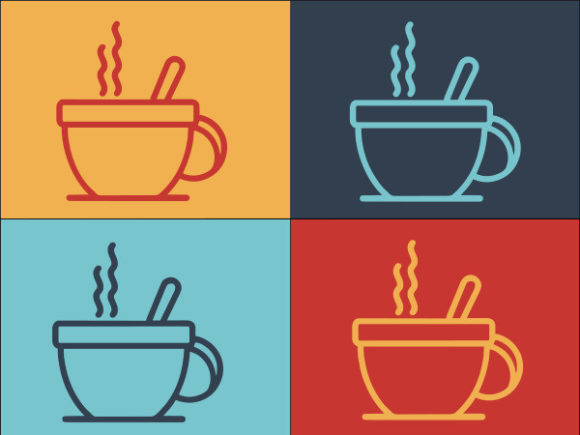
When I opened Hot Cup Tea Outline Style for the first time, I didn’t see “just another tea logo.” I saw a quiet invitation — minimalist but not cold, elegant but not fussy, modern but deeply warm. The single-line contour of the teacup flows with gentle curves and balanced negative space; there’s no fill, no shadow, no extra flourish. That outline carries weight because it doesn’t try to do too much. It breathes. As a designer who’s stitched hundreds of logos onto everything from baby onesies to boutique aprons, I immediately pictured this on a linen tea towel — soft fabric, subtle stitch, a moment of calm in a busy kitchen.
Where It Lives Best: Real Projects, Not Just Pixels
I tested Hot Cup Tea Outline Style as part of a small-batch embroidered tote bag collection for a local café collaboration. We used medium-weight canvas, tear-away stabilizer, and 40-weight rayon thread. The result? Crisp, legible, and surprisingly expressive — even at 3.2 inches wide. That’s the strength of an outline-only design: it avoids dense fill stitch, so it stitches quickly, lies flat, and reads cleanly on textured fabrics like burlap, denim, or terry cloth. It worked beautifully on:
- Unisex sweatshirts (no puckering, no thread breakage)
- Embroidered patches for aprons and caps (clean edges held up after heat-sealing)
- Baby onesies (soft, low-stitch-count, gentle on delicate skin)
- Kitchen towels and napkins (stitched with running stitch for light texture)
- Holiday gift tags and pillow covers (paired with simple monograms or seasonal accents)
This isn’t a design that shouts — it whispers thoughtfulness. That makes it ideal for handmade product lines where authenticity and restraint matter more than flash.
Where to Pause — Not Every Fabric or Fit Is Equal
Outline designs are forgiving, but not magic. I learned this the hard way when I tried Hot Cup Tea Outline Style on a curved baseball cap front without adjusting placement or stabilizer. The cup’s handle distorted slightly near the seam. So here’s what I now check before stitching:
- Hoop size & placement: Keep at least ½ inch clearance around the full outline — especially on caps, cuffs, or curved seams.
- Fabric texture: On heavy tweed or thick terry, consider adding one layer of cut-away stabilizer beneath tear-away for definition.
- Thin or stretchy fabrics: Use lightweight fusible stabilizer on knits or rayon challis — the fine line can waver if the base shifts mid-stitch.
- Dark backgrounds: Test thread contrast early. A light gray or ecru works better than stark white on charcoal or navy — it feels intentional, not washed out.
- Small hoops (under 4”): At under 2.5 inches wide, the handle and steam curl start to feel tight. I recommend minimum 2.75” for clarity.
Why It Builds Trust — Not Just Decoration
Customers don’t buy embroidery files. They buy confidence — that their custom apparel will look polished, their personalized gift will feel special, their Etsy listing will stand out in a scroll of clutter. Hot Cup Tea Outline Style delivers that quietly. Its simplicity signals intentionality. When someone sees it stitched on a hand-embroidered tea towel sold at a craft fair, they don’t think “basic logo.” They think “this maker chose something that honors the ritual of tea — not just the trend.” That perception lifts perceived value, supports brand consistency for small shops, and deepens buyer engagement. It also photographs well in printable mockups — clean lines translate clearly to digital previews, which matters for Etsy sellers and digital product sellers.
Practical Notes from My Embroidery Desk
Before you stitch Hot Cup Tea Outline Style into your next finished product, here’s what I always do — no exceptions:
- Test on scrap fabric — same type, same stabilizer, same thread count.
- Check stitch density in your embroidery software: outline-only means low density, but verify no double-stitching or unnecessary jumps.
- Review corners and curves: zoom in — does the steam curl resolve cleanly at your target size? Does the cup’s base sit evenly?
- Mock it in black and white first — helps spot contrast issues before committing thread or fabric.
- Compare on light and dark backgrounds using your actual thread palette — not just screen colors.
- Confirm licensing before selling finished items or bundling the file with other design assets — especially if you’re an Etsy seller or digital product creator.
Also: While the product description notes SVG compatibility with Inkscape, Gravit Designer, and Photoshop, remember — an SVG is not an embroidery file. You’ll need to digitize Hot Cup Tea Outline Style for machine embroidery use, or confirm whether a pre-digitized version (e.g., PES, DST, JEF) is included. If not, factor in digitizing time and cost — especially for commercial embroidery projects.
The Bottom Line: A Thoughtful Tool, Not a Trendy Gimmick
Hot Cup Tea Outline Style won’t dominate a tradeshow booth or go viral on social media. But it will elevate a small shop’s branding, add warmth to a handmade nursery set, anchor a thoughtful holiday gift, and give your custom apparel a quiet sense of cohesion. It’s the kind of machine embroidery design that works hardest when it’s not trying to — clean enough for professional presentation, flexible enough for hobbyists, and timeless enough that it won’t feel dated next season. Whether you’re stitching for clients, building a craft business, or making personalized gifts for loved ones, this is a graphics asset that earns its place — not by shouting, but by holding space with grace.