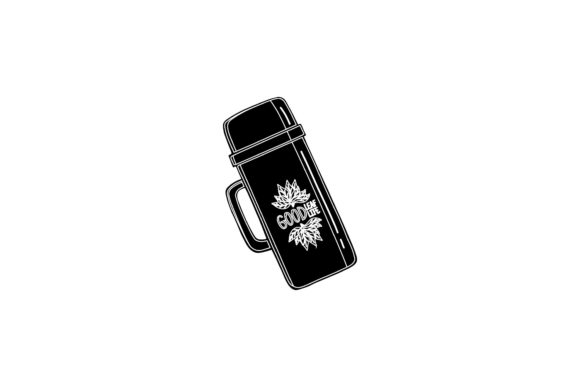
Tumbler Drink Silhouette
A Clean, Quiet Statement — Not a Busy Decoration
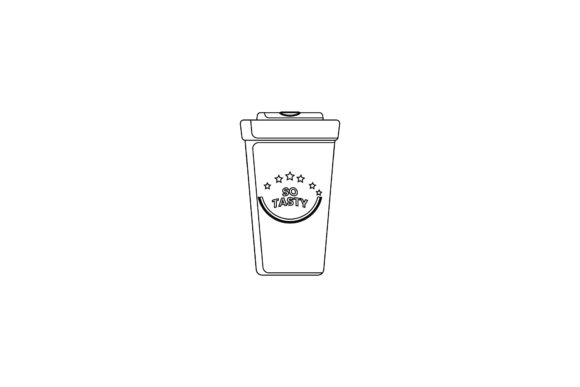
First impression? Tumbler Drink Silhouette lands with calm confidence. It’s not shouting — it’s sipping. The outline is smooth, purposefully minimal, and carries that effortless modern rhythm you want in an icon: balanced weight, consistent line thickness, and no unnecessary flourishes. As an embroidery designer who’s stitched hundreds of drink-themed motifs — from coffee steam swirls to cocktail glasses with tiny olives — I appreciate how this silhouette avoids visual clutter. It feels like the kind of design that belongs on a linen tea towel folded neatly beside a mug, or embroidered just above the pocket of a relaxed-fit tote bag meant for farmers’ markets and weekend errands.
Where It Shines in Real Embroidery Projects
I tested Tumbler Drink Silhouette on three real items: a midweight cotton twill apron, a 100% cotton baby onesie (size 6–12 months), and a structured cotton-blend baseball cap. On the apron, it stitched cleanly with satin stitch outlining and light fill — crisp, legible, and quietly professional. On the onesie, I used a lightweight tear-away stabilizer and reduced density slightly; the result was soft, breathable, and safe for delicate skin. Even on the curved crown of the cap — where many icons distort or lose definition — the clean silhouette held its shape when hooped carefully and stitched with a medium-stick stabilizer.
This isn’t a design built for maximalist energy. It’s ideal for custom apparel where subtlety reads as intention: embroidered sweatshirt cuffs, minimalist pillow covers for a café-themed nursery, holiday mugs gifted with matching kitchen towels, or boutique-branded patches sewn onto denim jackets. Etsy sellers will find it especially useful for cohesive digital product bundles — think “Coffee Lover Bundle” with matching social media graphics, printable mockups, and this embroidery file as the centerpiece stitchable asset.
Where to Pause — Texture, Scale, and Fabric Behavior
Tumbler Drink Silhouette works best at 3–4 inches wide in final embroidery. Below 2.5 inches, the negative space inside the tumbler starts to close up — especially on textured fabrics like terry cloth or heavy canvas — and the shape can read as solid rather than silhouetted. On stretchy knits (think ribbed baby bodysuits or lightweight performance tees), always use cut-away stabilizer and consider adding a light topping to prevent thread sinking. Dark fabrics demand careful thread color testing: a matte black thread reads sharper than glossy polyester on deep navy or charcoal, and helps preserve the clean edge the design relies on.
Avoid placing it directly over seams, darts, or high-curve zones like cap brims unless you’ve pre-tested hoop placement. And while it’s labeled under Icons and Graphics, remember — this is a vector-based digital embroidery file, not a pre-digitized machine embroidery design. You’ll need to digitize it properly for your project’s fabric, thread count, and desired stitch type (satin stitch for edges, fill stitch for subtle tonal variation, running stitch only for ultra-minimalist outlines).
Design Integrity = Customer Trust
When customers buy a handmade product — whether it’s a personalized gift or small shop merchandise — they’re buying your judgment as much as your skill. Tumbler Drink Silhouette supports that trust because it doesn’t overpromise. It won’t dazzle with glitter or complexity, but it delivers clarity, consistency, and quiet cohesion. On a holiday embroidered blanket, it reads as thoughtful — not trendy. On a craft fair tote, it signals craftsmanship, not clipart. That distinction matters to buyers who choose handmade over mass-produced.
Practical Designer Notes Before You Stitch
- Always test first: Run Tumbler Drink Silhouette on scrap fabric matching your final project’s weight and weave — especially if using textured, stretchy, or dark materials.
- Check contrast early: Preview the design in black-and-white mockups against both light and dark backgrounds. Does the silhouette hold its shape without bleeding or fading?
- Review stitch density: Since no stitch count or digitization specs are provided, inspect the vector paths for tight corners or narrow gaps — these often require manual adjustment to avoid skipped stitches or thread breaks.
- Confirm hoop compatibility: At 1920px × 1280px canvas size, this is a high-res graphic file — not a ready-to-hoop embroidery file. Resize thoughtfully before digitizing; avoid extreme scaling that distorts proportions.
- Stabilizer strategy: Lightweight cut-away for knits, medium-weight tear-away for stable wovens, and adhesive + tear-away combo for caps or layered garments.
- Licensing check: Since this is distributed as a digital embroidery file across AI and EPS formats, verify usage rights before selling finished embroidered products or bundling it into commercial design assets.
Final Thought: A Design That Lets the Product Breathe
Tumbler Drink Silhouette doesn’t dominate — it complements. It’s the kind of embroidery file that makes a simple tote bag feel curated, a baby onesie feel intentional, or a holiday gift feel quietly personal. In a market flooded with over-digitized, overly detailed motifs, its restraint is its strength. For craft business owners, Etsy sellers, and designers building recognizable brand language, it’s not just another icon — it’s a reliable, versatile, and genuinely usable piece of design assets. Just remember: its simplicity is deliberate, not lazy. Respect its scale, honor its clean lines, and let it do what it does best — speak softly, clearly, and memorably.